The psychology behind thrill-seeking in gambling activities
The thrill of uncertainty
The appeal of gambling often lies in the thrill of uncertainty. Gamblers experience a rush when faced with unpredictable outcomes, which activates the brain’s reward system. This sense of excitement can lead to heightened emotional states and a sense of euphoria when winning, reinforcing the behavior. The unpredictability creates an adrenaline rush that many find exhilarating, making them return for more. Many players seek guidance on the top 10 online casinos australia, which provides insights into reliable options for their thrill-seeking activities.
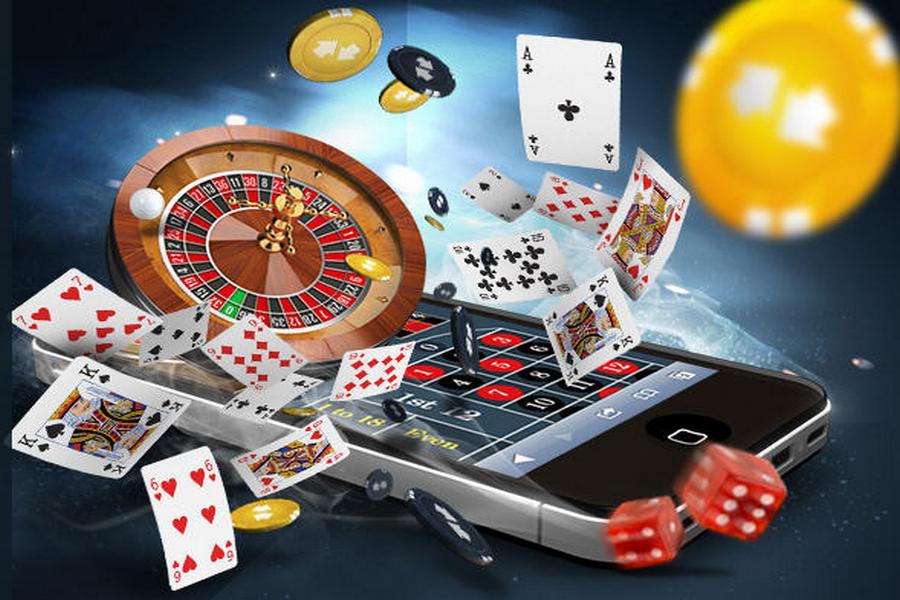
This psychological phenomenon is closely linked to risk-taking behavior. Individuals with a propensity for thrill-seeking may be more inclined to engage in gambling activities, viewing risks as opportunities for excitement rather than potential losses. This perspective can be particularly pronounced in high-stakes environments, where the stakes amplify the thrill.
The role of dopamine
Dopamine, often referred to as the “feel-good” neurotransmitter, plays a significant role in the psychology of gambling. When individuals win or experience near wins, dopamine is released in the brain, creating feelings of pleasure and satisfaction. This biochemical response not only enhances the gaming experience but also encourages repetitive behavior, as individuals chase that rewarding feeling.
The cycle of reward and anticipation further fuels the thrill-seeking behavior. Anticipation of a potential win can lead to heightened arousal, making the gambling experience even more exhilarating. This interplay between dopamine release and risk-taking behavior is a key component in understanding why individuals are drawn to gambling activities.
Cues and triggers in gambling environments
The physical environment of a casino or online gaming platform plays a pivotal role in influencing gamblers’ behavior. Bright lights, sounds, and the ambiance of excitement create sensory cues that trigger the desire to gamble. These cues can lead to conditioned responses where individuals become more susceptible to engaging in gambling activities when they are exposed to familiar stimuli.
Moreover, social interactions in gambling environments can enhance the thrill. The presence of other players, the excitement of shared experiences, and the socialization that occurs during games can amplify feelings of enjoyment. This social aspect can be a powerful motivator, drawing individuals to participate in gambling as a means of seeking thrills.
The impact of cultural perspectives
Cultural attitudes towards gambling significantly influence individual behavior and the thrill-seeking aspect of these activities. In some cultures, gambling is viewed as a social pastime, fostering a positive outlook on risk-taking. This cultural acceptance can heighten the appeal of gambling, as individuals feel more comfortable seeking thrills within this framework.
Conversely, in cultures where gambling is stigmatized, thrill-seeking behaviors may manifest in more covert ways. Individuals may seek thrills through online gambling, where anonymity and accessibility mitigate social judgments. This cultural dichotomy highlights the diverse ways in which thrill-seeking in gambling activities can be understood and experienced.

Explore the thrill of gambling safely
For those intrigued by the psychology of thrill-seeking in gambling, it’s essential to approach these activities mindfully. Understanding the underlying motivations can enhance your experience while also encouraging responsible gambling practices. Many platforms offer guidance on setting limits and recognizing signs of problematic behavior, ensuring that your pursuit of thrills remains enjoyable.
By choosing reputable online casinos and adhering to responsible gaming practices, you can explore the excitement of gambling while maintaining control over your experiences. This balanced approach allows you to indulge in the thrill-seeking aspects of gambling without compromising your well-being.