The Mechanics of Dice in Gambling
Dice are among the oldest and most universally recognized tools for generating random outcomes, forming the backbone of numerous casino games. The tactile sensation of rolling a pair of cubes across a felt table provides an immediate connection to the unpredictability that defines the gambling experience. Unlike card games that rely on memory or skill-based strategy, pure dice games strip away complexity, leaving only the raw chance of probability. This simplicity allows players to focus entirely on the excitement of the moment, making it accessible to beginners while still offering depth for those who study the odds.
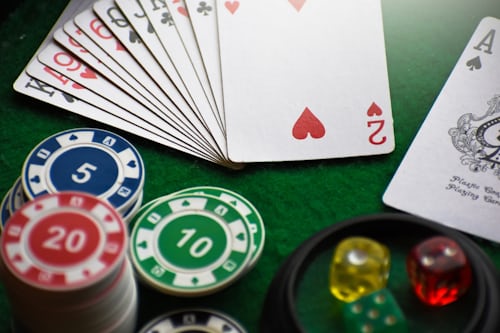
The physics behind dice rolling introduces an element of chaos theory into gaming environments. While professional dealers may attempt to control the throw, the micro-variations in force, angle, and surface friction ensure that true randomness prevails. This inherent unpredictability is what keeps players engaged, as every roll represents a fresh start independent of previous results. Understanding this mechanical foundation helps gamblers appreciate why certain bets carry higher house edges than others, fostering a more informed approach to wagering.
Strategic Approaches to Dice Games
While luck is the primary driver in dice games, strategic betting can significantly impact long-term outcomes and bankroll management. Players often analyze the probability distribution of specific numbers, such as seven or eleven, which appear more frequently in craps due to the combinatorial possibilities of two six-sided dice. By focusing on low-house-edge bets like pass line wagers or odds bets, enthusiasts can maximize their potential returns while minimizing the casino’s advantage. This analytical mindset transforms gambling from mere entertainment into a calculated exercise in risk assessment.
Beyond individual game mechanics, successful dice players employ disciplined money management techniques to sustain their gameplay over extended sessions. Setting strict loss limits and profit goals ensures that emotional decision-making does not lead to reckless behavior during winning or losing streaks. Furthermore, understanding the concept of variance allows gamblers to anticipate periods of dry spells without becoming discouraged. This psychological resilience is crucial for maintaining enjoyment and financial stability when embracing the highs and lows of dice-based wagering.
Psychological Thrills and Player Engagement
The auditory and visual stimuli associated with dice rolling contribute significantly to the immersive nature of gambling. The clatter of hard plastic or bone against the table creates a rhythmic soundscape that heightens anticipation before the outcome is revealed. This sensory engagement triggers dopamine releases in the brain, reinforcing the desire to continue playing despite the inherent risks. Casinos leverage these psychological responses through design elements that keep players focused on the action, ensuring they remain captivated by the unfolding events.
Social dynamics also play a pivotal role in the appeal of dice games, particularly in communal settings like craps tables. Unlike solitary slot machines, dice games often involve group interaction, where players cheer for each other’s successes or commiserate over losses. This shared experience fosters a sense of community and belonging, enhancing the overall enjoyment beyond the monetary aspect. The collective energy surrounding the shooter adds layers of excitement that solitary gaming formats cannot replicate, making social gambling a uniquely engaging phenomenon.
Risk Management and Responsible Play
Navigating the world of dice gambling requires a clear understanding of risk versus reward, emphasizing the importance of responsible play. Establishing a budget before entering a casino or logging into an online platform prevents impulsive decisions driven by emotions rather than logic. It is essential to view gambling as a form of paid entertainment rather than a viable income source, acknowledging that the house always maintains a mathematical edge over time. This perspective helps maintain a healthy relationship with the activity, allowing individuals to enjoy the thrill without jeopardizing their financial well-being.
Additionally, recognizing signs of problematic behavior is critical for long-term sustainability in gambling activities. Taking regular breaks, monitoring time spent playing, and avoiding chasing losses are effective strategies for maintaining control. Resources and support systems are available for those who may struggle with compulsive behaviors, ensuring that the hobby remains safe and enjoyable. By prioritizing self-awareness and adherence to personal limits, players can fully embrace the excitement of dice games while safeguarding their mental and financial health.

Exploring Premium Baking and Creative Excellence
For those seeking a different kind of craftsmanship and precision, the art of cake decorating offers a parallel discipline requiring patience, skill, and attention to detail. Just as mastering dice rolls involves practice and understanding probability, creating intricate confectionery designs demands technical expertise and creative vision. Professionals in this field provide comprehensive training programs that guide students from basic techniques to advanced artistic methods, ensuring high standards of quality and innovation. These educational opportunities allow aspiring decorators to develop their unique style while contributing to the vibrant culinary arts community.
The journey through baking education often includes access to specialized workshops and personalized instruction, mirroring the structured learning paths found in competitive gaming. Institutions dedicated to this craft emphasize both theoretical knowledge and hands-on experience, preparing participants for professional careers or personal hobbies. With resources like https://thecakemanuk.com/, learners can explore curated courses designed to enhance their capabilities in sugar work, fondant modeling, and flavor pairing. Such platforms serve as valuable hubs for connecting with mentors and peers who share a passion for edible artistry.